/ 4 min read
The Green Hour: Galbanum and the Return of the Verdant
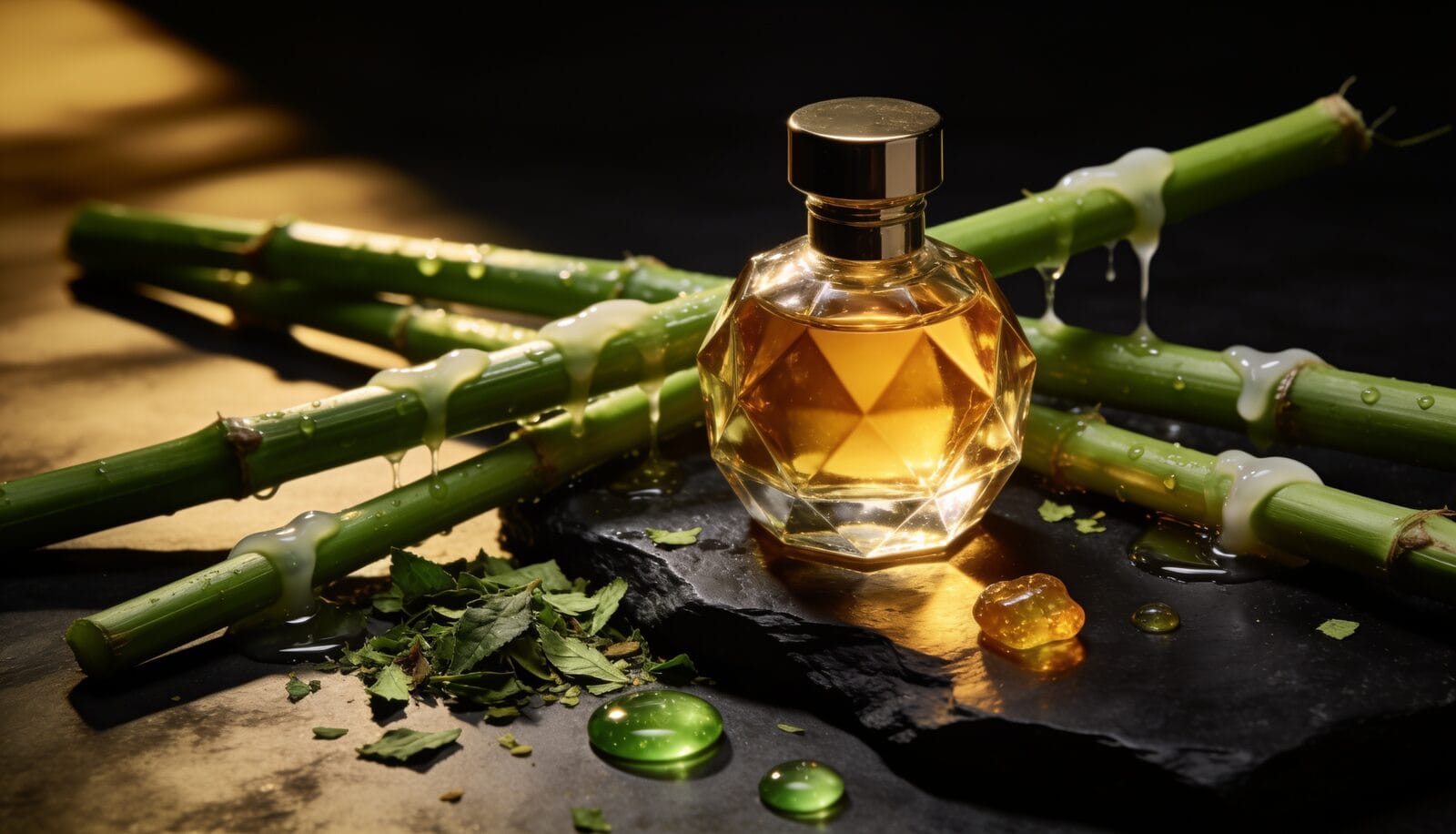
Snap a green stem, crush a leaf between your fingers, and inhale: bitterness, sap, the smell of a thing that was alive a heartbeat ago. That shock of raw green has a name in perfumery, and for half a century it wore a single material like a signature — galbanum. It is not a comfortable smell, and it was never meant to be. It is the scent of the garden the instant a stem is broken, and it may be the most quietly radical note a perfumer can reach for.
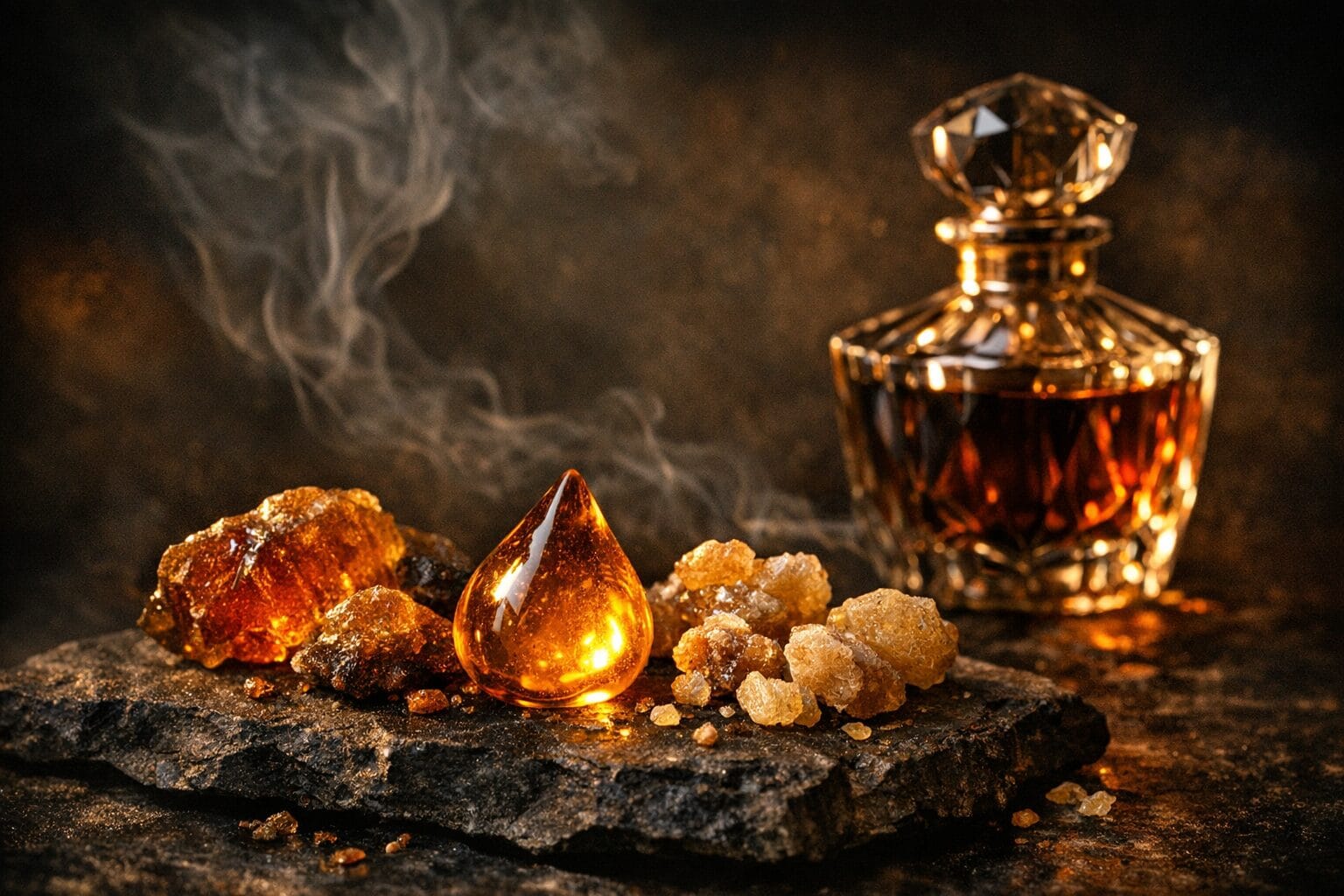
Galbanum is a gum resin bled from Ferula galbaniflua, a hardy umbellifer native to the mountains of Iran and Asia Minor. Slit the base of the plant and a milky sap weeps out, hardening into pale amber tears; distilled, it yields an oil of almost violent green — cool, bitter, resinous, earthy, closer to a snapped branch than to any flower. It is one of the few materials in the perfumer's palette that smells genuinely raw, and choosing to use it has always been an act of nerve.
That difficulty is precisely what makes it prized. A drop too much and a composition turns harsh, almost medicinal; judged right, it lends a fragrance an electric lift at the top and a spine of cool bitterness that keeps sweetness honest. It marries beautifully with hyacinth and violet leaf, with oakmoss and the powdery hush of orris — always adding tension, never comfort. Perfumers speak of it the way chefs speak of bitterness: not a flavour anyone craves alone, but the thing that makes everything around it taste alive.
The perfumer who first dared to wield it at full volume was Germaine Cellier, whose Vent Vert for Balmain in the 1940s opened on a galbanum overdose so bracing it practically reset the meaning of freshness. Where others reached for soft florals, Cellier led with a blast of crushed stems and bitter sap — a green so vivid it felt like walking into a garden the moment after rain. It handed perfumery an entirely new mood, sharp and modern and alive.
Two decades later, Henri Robert built Chanel No 19 on a superb grade of Iranian galbanum, sourced especially for the composition. It remains the material's masterpiece: cool, aloof, elegant, green as a blade held up to the light. Through the 1970s and into the 1980s that verdancy was the reigning mood, and the appetite for it was vast — the industry consumed as much as 150 tonnes of galbanum a year.
Then the tap closed. When upheaval swept Iran at the end of the 1970s, the finest galbanum oil — the very grade Chanel had leaned on — became difficult, then nearly impossible, to obtain. No 19 had to be quietly reformulated, an ordeal given the rarity of the original. Green perfumes, robbed of their signature ingredient, receded, and fashion drifted toward the ambers, ozones and gourmands of the decades that followed. Iran remains the world's leading source today, yet it produces barely 15 tonnes a year — a tenth of the old hunger.
And now, quietly, green is returning — though not the severe, retro galbanum-heavy chypre of old. The 2026 green is clearer and more fluid: fig leaf and tea leaf, crushed basil and shiso, mate and stemmy rose, damp vegetal effects laid over soft woods and transparent musks. Galbanum still sits close to the heart of it, but dosed with a lighter hand — a bitter-green whisper rather than a shout. After years drunk on sugar and confection, the mood of the moment craves clarity, texture, and the cool astonishment of something that simply smells of a living plant.
There is something almost moral in the swing. Gourmands flatter; green does not. To wear it is to smell not of dessert but of the garden at dawn — sap, stem, the bitter brightness of chlorophyll. It reads as restraint, as confidence, as a refusal to be sweet. Galbanum, the priceless gum of Persia, spent forty years as the ghost of a lost golden age. It feels only right that in a year hungry for honesty over indulgence, the greenest material in all of perfumery should be the one we reach for once more.
Before You Commit
Read about it. Then live with it.
Order a 2ml decant of any scent in the house and wear it for a few days before you commit.