/ 3 min read
Immortelle: The Flower That Refuses to Die
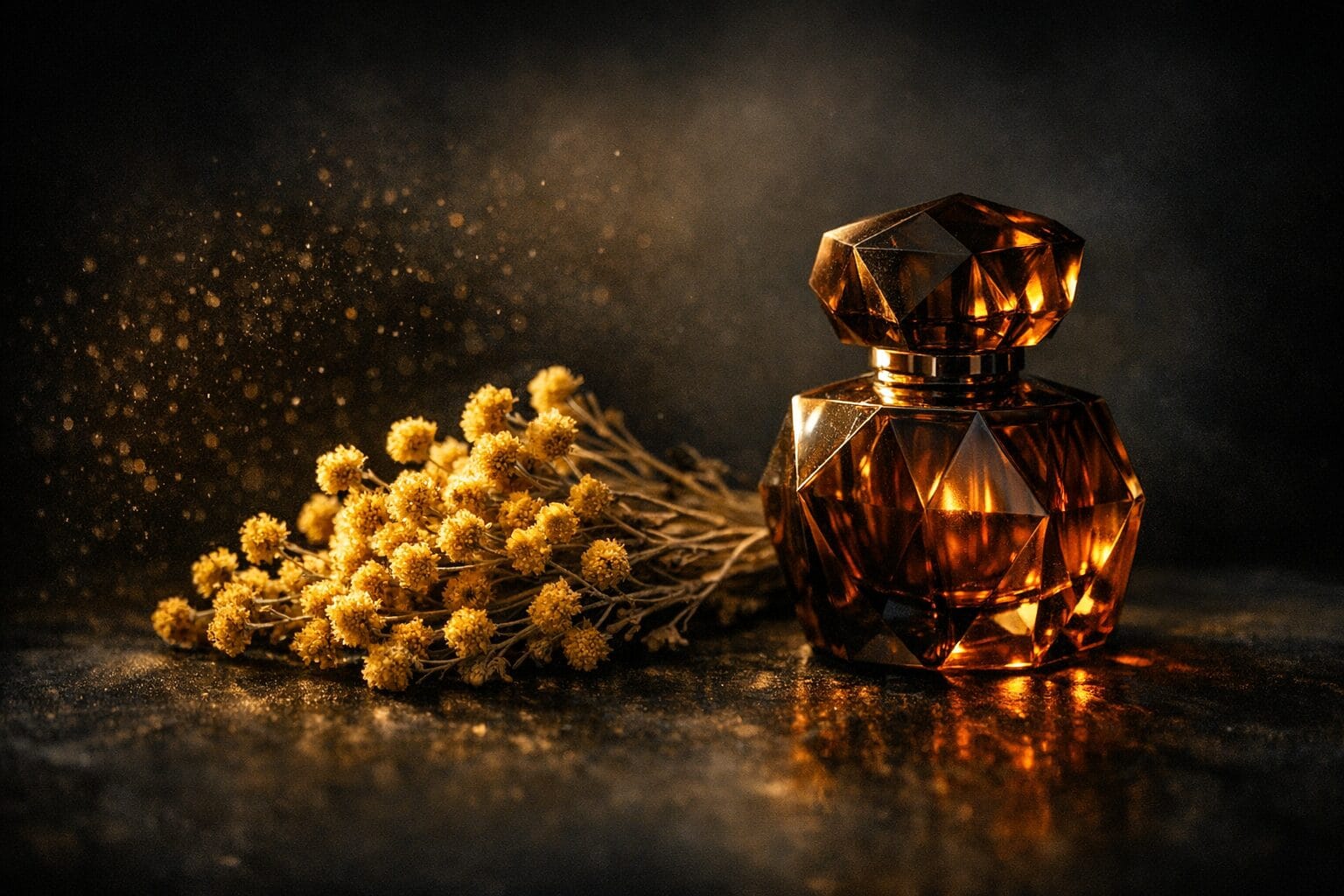
High on the Corsican hillsides, where the wild scrubland the French call the maquis tumbles down toward the sea, there grows a small flower the colour of struck gold. Cut it, dry it, forget it in a drawer for a year, and it will not fade. Its petals keep their colour and their shape long after every other bloom has crumbled to dust. The Mediterranean gave it the only name it deserved: immortelle — the everlasting.
Botanists know it as Helichrysum italicum, and those who brush past it on a hot afternoon know it by another name entirely — the curry plant, for the warm, savoury cloud it releases in the sun. But to crush immortelle expecting a flower is to be beautifully wrong. There is nothing dewy or petalled about its scent. It smells of honey left too long on the stove, of dry hay warmed through, of maple syrup and pipe tobacco and a whisper of something almost medicinal underneath.
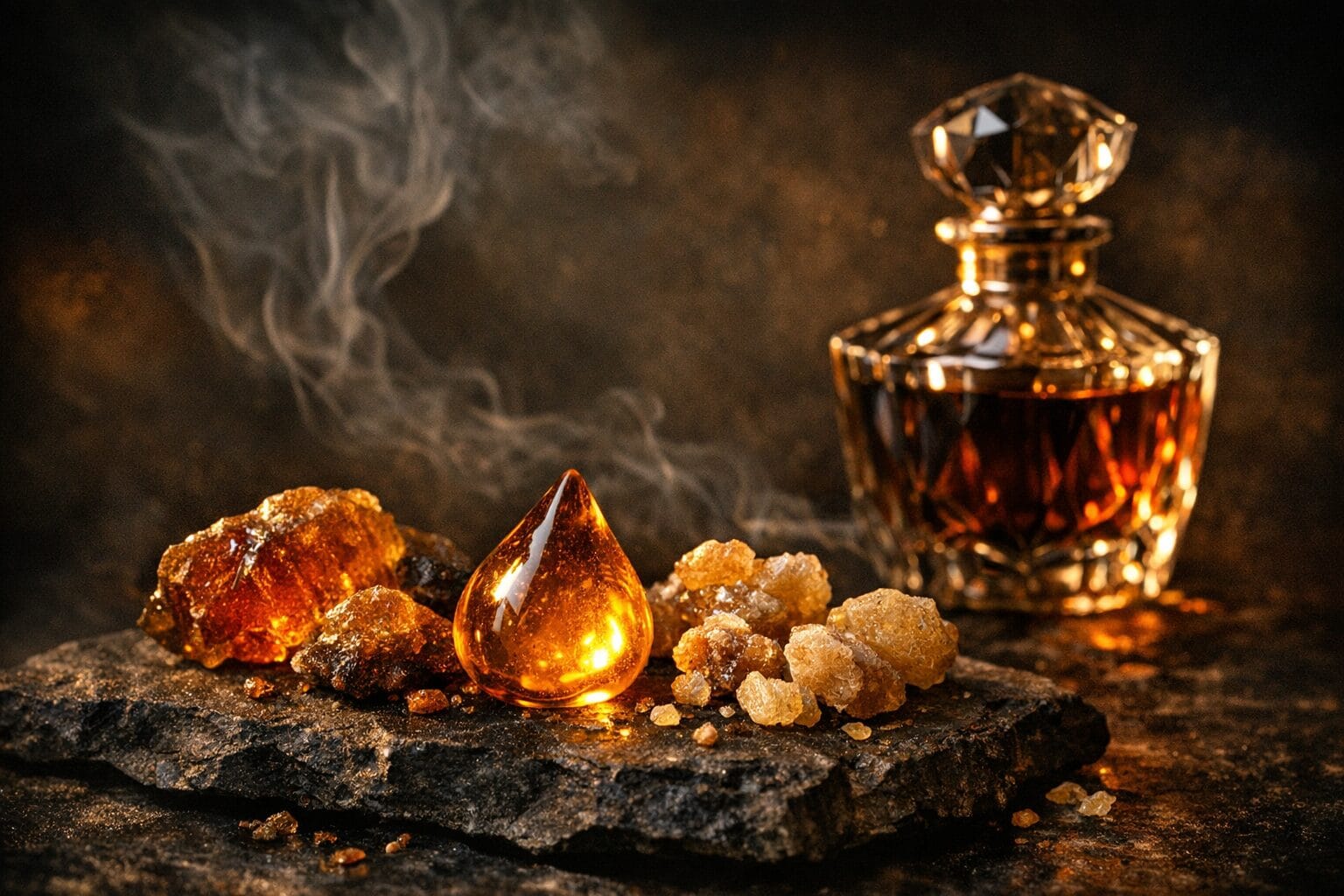
Distil it into an absolute and that strangeness deepens into something profound. Immortelle absolute is dense and amber-gold, a material that seems to carry caramel, liquorice, chamomile and dried fruit all at once. Perfumers speak of it the way novelists speak of a difficult muse: powerful, divisive, impossible to use quietly. A single misjudged drop can swallow a composition whole. And yet, handled with reverence, it does something almost no other note can — it smells not of a moment, but of a moment already remembered. Immortelle is the scent of nostalgia given a body.
The great houses have long understood this. Annick Goutal's Sables remains, for the faithful, the undisputed queen of immortelle: an unapologetic, sun-baked sweetness that its admirers wear like a secret and its sceptics flee. Francis Kurkdjian offered a more courtly rendering in Dior's Eau Noire, wrapping the flower in liquorice, lavender and cedar until it became an elegant nocturne — proof that immortelle can be tamed into black-tie composure without losing its soul. And Etat Libre d'Orange's Like This, dreamed up with the actress Tilda Swinton, set immortelle against warm ginger to conjure the feeling of a lit hearth on an autumn evening, intimate and glowing.
What is striking is that immortelle is having its moment again now, in 2026. After a decade in which perfumery chased ever cleaner, cooler, more transparent radiance — molecules engineered to shimmer at arm's length — the pendulum has swung hard toward warmth. The notes drawing attention this year are the earthy, grounded, unapologetic ones: patchouli, vetiver, soft amber, and the honeyed density of immortelle woven through them. It is a return to skin, to comfort, to fragrances that hold you close rather than announce you across a room.
There is a poetry in the timing. Immortelle has always been more than a note; on Corsica it is folded into medicine and skincare, prized for a regenerative quality that mirrors its name — the flower that heals, the flower that endures. To reach for it now, in a moment when so much of luxury feels weightless and disposable, is to reach for permanence. For something that keeps its colour in the dark.
Perhaps that is the quiet truth at the heart of all perfume: every bottle is an attempt to make a fleeting thing last — a summer, a person, an afternoon that is already slipping away. Most scents can only gesture at it. Immortelle does not have to try. It learned the trick in the field, long before any perfumer found it there, still golden, still refusing to die.
Before You Commit
Read about it. Then live with it.
Order a 2ml decant of any scent in the house and wear it for a few days before you commit.